What you can expect from an intensive outpatient program: 6 key benefits for your opioid recovery
Opioid recovery can be a challenging journey that calls for resilience and support. And every journey requires help along the way. For many people in recovery from opioid use disorder, high levels of support can be the key to positive long-term outcomes. That’s where an intensive outpatient program (IOP) can come in.
Also known as an IOP, an intensive outpatient program for opioid recovery refers to a level of treatment that doesn’t require hospitalization or 24/7 supervision. An intensive outpatient treatment program for people with opioid use disorder (OUD) can help you work through the physical, emotional, and psychological challenges often experienced during recovery.
Read on to learn the basics about intensive outpatient treatment programs. You'll also learn about the benefits you can gain from being in one during your opioid recovery. Then we’ll talk about how and why Groups might be the program for you. While we’re not an IOP, our outpatient program can give you the support you need to live the life you want.
What is an intensive outpatient program for opioid use disorder?
If you’ve decided to take action and start recovery from using opioids, an intensive outpatient program may be the support that you need. It’s a level of care that provides you with treatment that covers all aspects of your opioid recovery without requiring overnight stays in a hospital or residential facility.
An intensive outpatient program for opioid recovery can include:
- Managing post-detox symptoms with medication
- Therapy sessions to work through emotional and mental obstacles
- Goal planning
- Building skills for long-term results
Inpatient care may be needed if you’re experiencing severe withdrawal symptoms or you’re experiencing a mental health crisis. If this sounds like what you’re experiencing, call emergency services for immediate support.
6 benefits of an intensive outpatient program for your opioid recovery
Now that we’ve talked about what an IOP is, let’s discuss why it might be the best option for you.
Opioid recovery isn’t about stopping suddenly without support. It’s about taking care of your overall health throughout the withdrawal process. You're working through the difficult thoughts that can come from it and setting yourself up for a life that you can look forward to.
This means also seeking treatment that helps you learn how to fix relationships, focus on self-care, and be proud of your own capabilities. That’s what an intensive outpatient program is all about.
There are many positives that can come from seeking an IOP to help you through your opioid recovery. Here are six of the key advantages:
- Keeping regular routines
Treating opioid use disorder requires time and effort. But so do the other things in your life.
Life doesn’t stop for treatment. But since an IOP doesn’t involve 24/7 care, it provides flexibility. You can continue your regular tasks and routines as much as possible. This can be a huge plus for people who have work, school, and family responsibilities. It also means that you have time to prioritize what makes you happy and boosts your mental health, such as hobbies.
By keeping your regular routines and tasks, you’re also able to immediately put the skills you’re learning into practice. For example, if you go into work and experience a craving due to stress, you can think about what you’ve learned in the IOP therapy sessions.
- Developing different long-term skills
Learning the right skills can help you in both your everyday life and your overall quality of life. IOP helps you develop skills to work through recovery challenges. The goal is to learn strategies now that can help you to live the life you want in the long-run.
Skills that you can learn in an IOP include:
- Coping skills to resist using again
- Emotional regulation skills to boost positive emotions
- Stress management skills to reduce cravings
- Communication skills to build stronger relationships.
- Skills that boost self-esteem, such as challenging negative beliefs about yourself
- Consistent support
Opioid recovery comes with many peaks and valleys. Some days may be harder than others, which is why you need care that you can depend on. IOP gives you access to consistent support. Not only are there regular group therapy sessions, but you also have counselors who won’t let you slip through the cracks. Whether you’ve made a lot of progress or you’re struggling at the moment, you’ll continue receiving support.
With IOP treatment, you’re able to gain the tools and support system to encourage sustainable recovery. You’ll receive the care you need right now with resources and skills that will continue to help you down the road.
- Connecting with others in recovery
If you’re in recovery from opioid use disorder, you’re far from being alone. In 2021, more than 30% of people with opioid use disorder received treatment. Your opioid recovery journey is extremely personal. But connecting with other people who can relate to your challenges can make a difference in your own recovery.
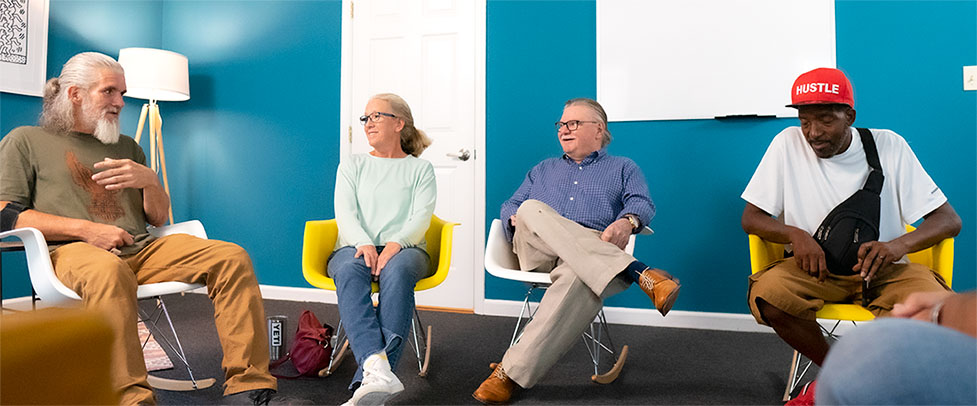
Group sessions are a big part of intensive outpatient treatment programs. They give you a safe place to speak openly about your challenges with people who are also in recovery. They help to validate your experiences and help you gain different perspectives. You can also try out strategies that have worked for others.
- Medication management
When you start your opioid recovery at an IOP, they’ll likely provide you with a prescription to manage your physical and emotional health to help your body get used to not using opioids.
Suboxone is commonly prescribed because it’s one of the gold standard treatments for OUD. It’s a medication that combines buprenorphine and naloxone. Buprenorphine lessens withdrawal effects to reduce the risk of using again. Naloxone reduces injection or snorting.
At an intensive outpatient program, you’re not only prescribed medication for OUD, but you regularly check in with providers, including doctors and psychiatrists. Medication management means making sure that proper tweaks are made in the case of difficult side effects.
- Short and long-term goal planning
When you’re in an intensive outpatient treatment program, it’s not about temporary recovery. An effective program will make sure that you have what you need to take the steps toward the future that you want and become the best version of yourself. That’s why goal planning is an essential aspect of treatment.
Life-goal assistance helps to connect you with the resources you need to complete your accomplishments. And it goes beyond recovery. By helping you with your personal goals, an IOP provides you with comprehensive treatment that’s personalized to all aspects of your life.
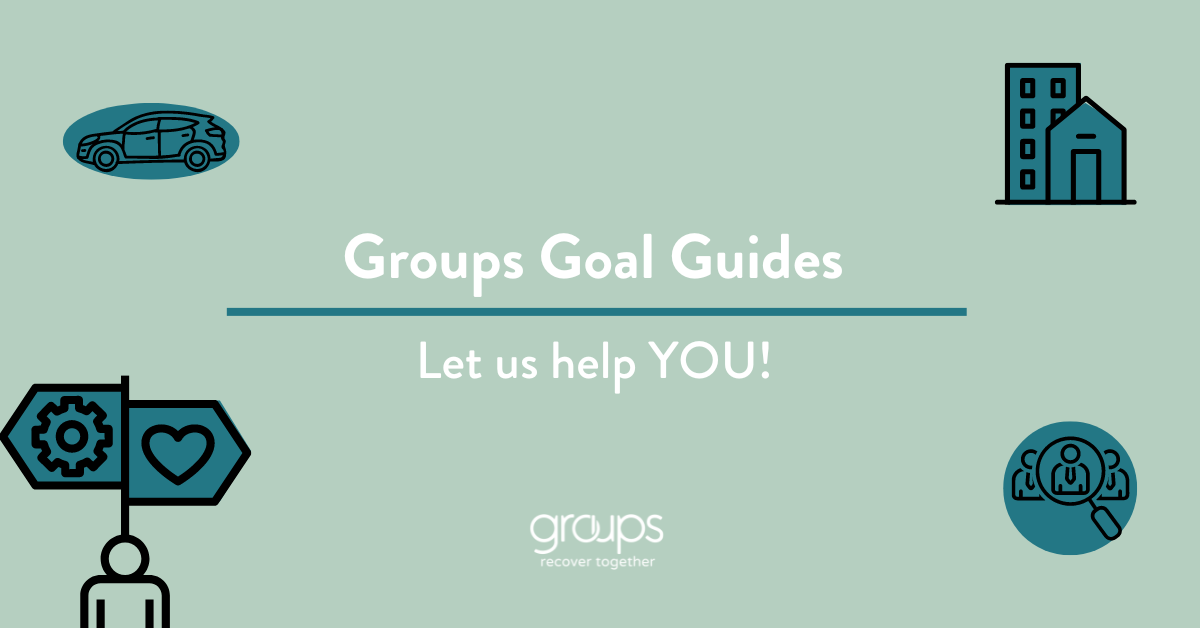
Goals that an IOP can help you work toward may include:
- Completing training programs to further your career
- Finding a safe and steady housing situation
- Getting a car
Groups is an effective outpatient program for opioid recovery
Every person going through opioid recovery deserves effective treatment. But that can look different for everyone. While some people require inpatient treatment, people recovering from OUD can still maintain a sense of normalcy while receiving treatment from an intensive outpatient program. If you don’t require intensive treatment, Groups may be what you’re looking for.
At Groups, our outpatient program provides group support sessions, fast access to Suboxone and life-goal assistance to support your recovery journey. We’ll provide you with the support you need to care for your physical, emotional and mental well-being as you tackle the next chapter of your life.
Groups has a wraparound care model. Each member has a care team for treatment that includes meeting with a provider monthly, weekly peer support, financial support, care navigation, and recovery support specialist for helping you achieve your goals.
Give our Recovery Support Specialists a call today for more information or to begin your recovery. We provide treatment across the country — and we’re always expanding. See if we offer care in your state, either online or at one of our 130+ local offices. If Groups does not offer treatment in your area, you can locate other treatment options here.
.avif)
Not ready? Keep in touch
We understand that today may not be the day, but we'll be here whenever you need us.
Find free advice and support
Your team is here to help you overcome any challenges you may face during recovery.
Contact Us
Are you ready to start your recovery journey with Groups? You can fill out this form to learn more about our program. If you’d rather speak to someone right away, you can give us a call
.png)