Top 5 long-term treatment options for lasting recovery from opioid use
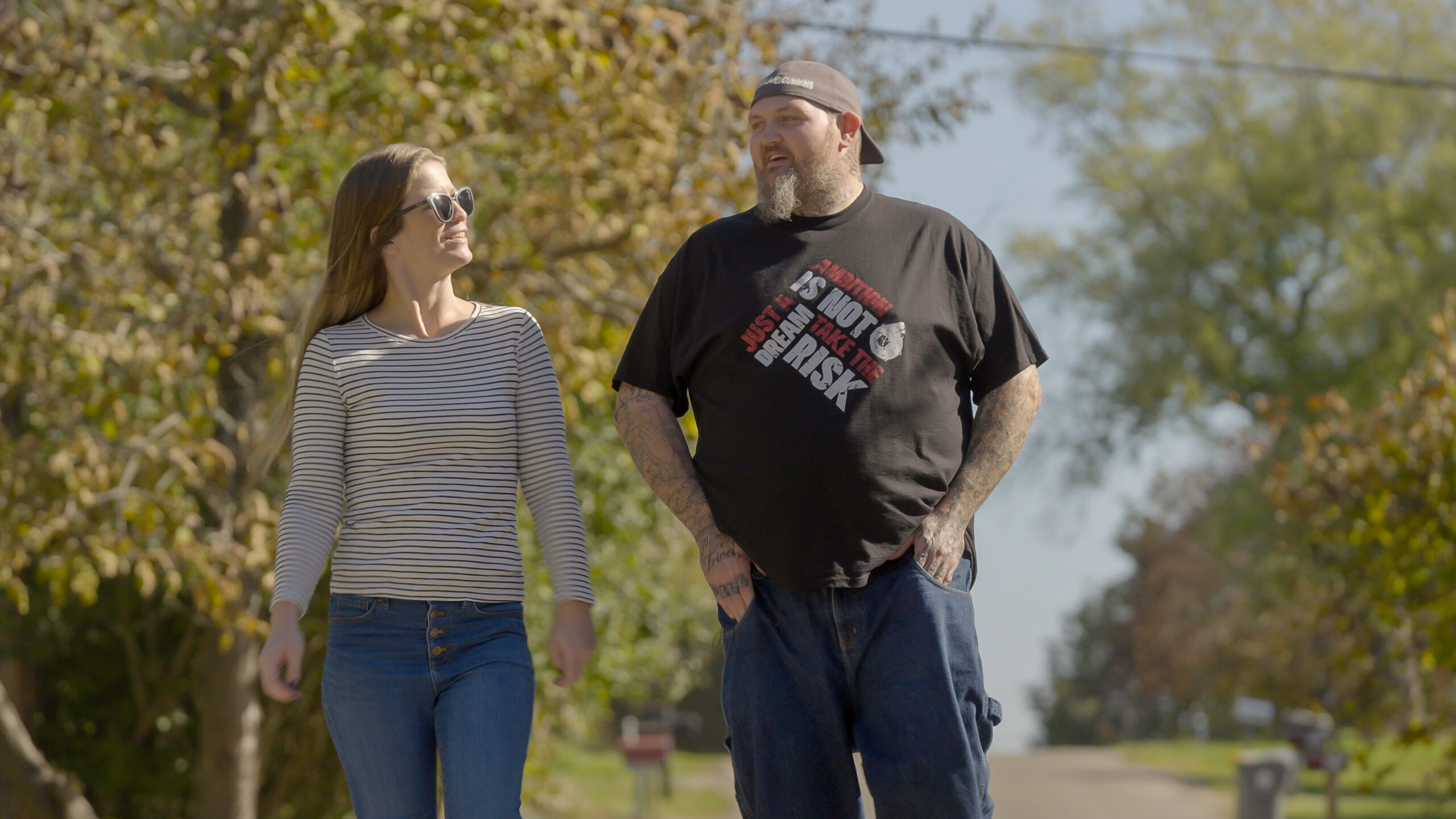
Each person has a different vision of what makes life in recovery from opioid use disorder (OUD) meaningful and enjoyable. It’s these life goals that define what success in recovery looks like for you.
Long-term treatment for OUD is a form of personalized and comprehensive support provided on an outpatient basis. Most people will need some form of support for the rest of their lives. They may start with a high level of treatment and then taper down to shorter, less frequent appointments.
For many people in recovery, medication for opioid use disorder (MOUD) is a key part of their long-term wellness regimen. However, there are many paths to recovery. Most people will need more than one form of treatment to maintain their health and stick to their recovery goals. Social support, counseling, life-goal assistance, and other support services also play a role.
Whichever type of care you choose, it’s important to find services that are personalized to meet your needs. In this article, we’ll talk about the top five long-term treatment options for lasting recovery from opioid use.
Top 5 long-term treatment options for lasting recovery from opioid use
OUD is a chronic medical condition that can impact every part of your life, from your physical health to your relationships. Once you’ve stopped unwanted opioid use and achieved some stability, the journey isn’t over. You’re just entering a new phase of your recovery.
It’s good to maintain relationships with a primary care doctor, a provider who prescribes your MOUD, a supportive recovery community, and potentially a therapist or counselor. A specialized program like treatment at Groups can help you find the combination that’s right for you and create a detailed plan.
Here are the top five long-term treatment options for lasting recovery from opioid use:
- Medication for opioid use disorder (MOUD)
MOUD is considered a gold standard treatment for OUD. These medications help reduce withdrawal symptoms and cravings. Suboxone is one of the most popular options. It doesn’t cause a significant high and it’s less likely to cause overdose than other options. It’s also safe and effective to take in the long term.
Methadone is another common option. Methadone has a higher risk of overdose than some other MOUD options, and it must be taken under supervision at a clinic. That doesn’t mean it’s not the right choice for some people. Your provider should help you learn about your options so you can make the decision together.
- Group counseling
Group counseling combines different evidence-based psychotherapy treatments in an accessible and social setting. Talking with other people in recovery helps people feel less alone, and it can provide a sense of motivation and hope for the future.
At Groups, we use a points system to reward our members for weeks without opioid use during group sessions. People who receive group counseling along with medication generally see better results than those who only take medication.
- Outpatient treatment programs
Outpatient programs bring together different types of care to support your physical, mental, and emotional well-being. At Groups, we provide life-goal support in addition to medication and group counseling. We help our members with barriers to treatment. Examples include getting phone and internet service and applying for Medicaid or grants.
We also help with necessities. We assist with food security and housing as well as bigger goals, like finding a rewarding career. The combination of medication and social support helps get our members on track for long-term wellness.
- Ongoing medical care and monitoring
As you adjust to your medication and life without unwanted opioid use, you should see a care provider. They can monitor your health and make adjustments as needed. If you have other health conditions or allergies, they can help make sure they are accounted for in your treatment plan and address any symptoms that come up. Many people who have OUD also have chronic pain conditions, and pain management is critical for their recovery and overall quality of life.
- Life skills and social support programs
For the best chances of long-term recovery, it’s important to make sure your basic needs are met. There are resources and programs that can help with the basics of food security, housing, and income.
It’s also important to have supportive relationships, belong to a community, and work toward bigger dreams. When you know what makes your life worthwhile and you’re able to pursue it, that becomes a source of strength and resilience.
Start your recovery from opioid use disorder at Groups
With the right support, most people do recover from OUD. It’s possible for you, too. Finding a comprehensive treatment program will help get you started.
If you don’t know exactly what you want your life to look like, it’s OK. Reconnecting with yourself and exploring new things is part of the process. What’s important right now is to concentrate on the next couple of steps in front of you. In a few months, everything might look very different.
At Groups, our services include all five of the treatment options mentioned here. We help our members build the skills and relationships they’ll need to thrive for the rest of their lives. If you’re exploring support for OUD recovery, you’re not alone. We can help. Our Recovery Support Specialists are here to help whenever you’re ready to reach out.
We provide treatment across the country — and we’re always expanding. See if we offer care in your state, either online or at one of our 130+ local offices. If Groups doesn’t offer treatment in your area, you can locate other treatment options here.
.avif)
Not ready? Keep in touch
We understand that today may not be the day, but we'll be here whenever you need us.
Find free advice and support
Your team is here to help you overcome any challenges you may face during recovery.
Contact Us
Are you ready to start your recovery journey with Groups? You can fill out this form to learn more about our program. If you’d rather speak to someone right away, you can give us a call
.png)